
National Health Insurance (건강보험): Enroll, Cost & Covers
Korea's healthcare system is genuinely excellent — and most foreigners are automatically enrolled in it. Here's how it works, what it costs, and what it covers.
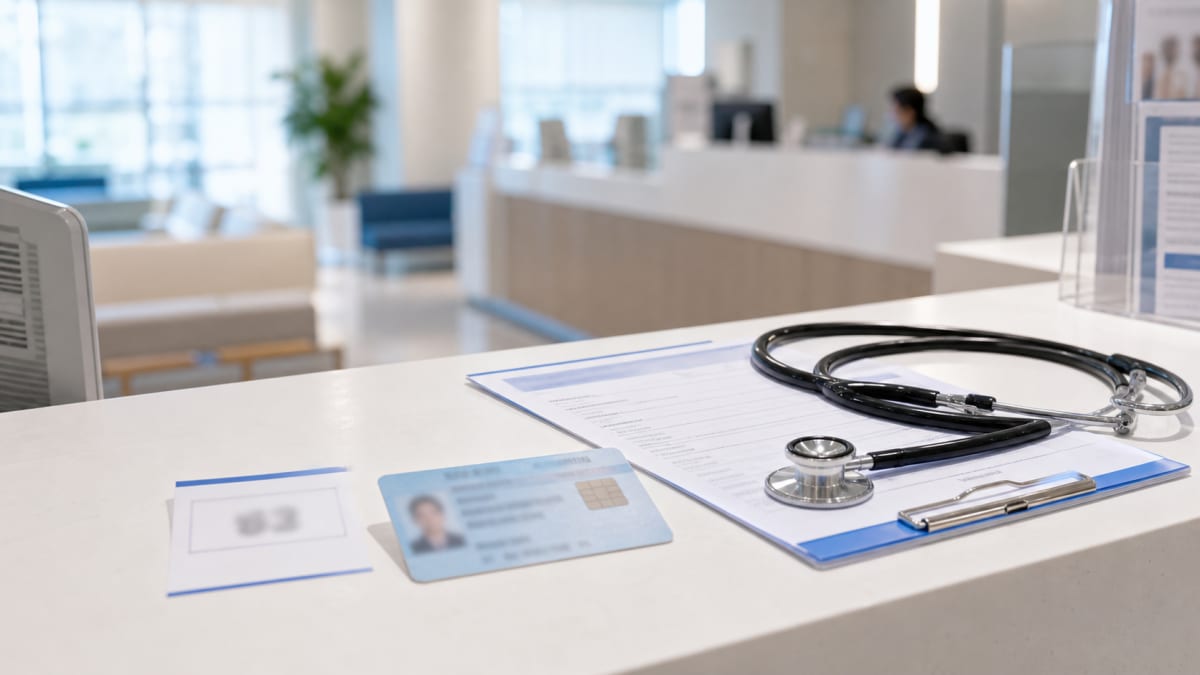
South Korea's 국민건강보험 (National Health Insurance, NHI) system covers approximately 98% of the population — one of the most comprehensive public health insurance systems in the world. For foreigners living in Korea on qualifying visas, enrollment is not optional. It's mandatory. And for most people, that's a good thing: Korean healthcare is high quality, widely accessible, and dramatically cheaper than in most Western countries — even before insurance kicks in.
가입 대상 (Who Must Enroll)
Since July 2019, all foreigners with an ARC staying in Korea for 6 months or more are automatically enrolled in the National Health Insurance system — regardless of employment status.
직장가입자 (Workplace subscribers): If you are employed by a Korean company, you are enrolled through your employer. Premiums are split equally between you and your employer — you pay 50%, your employer pays 50%.
지역가입자 (Regional subscribers): If you are self-employed, a student, a dependent spouse, or otherwise not enrolled through an employer, you are enrolled as a regional subscriber and pay the full premium yourself.
면제 대상 (Exemptions): Certain visa categories are exempt from mandatory enrollment:
Short-term visas (under 6 months)
Diplomatic visas (A-1, A-2)
Some specific visa categories covered by bilateral agreements
Check your visa category with the 국민건강보험공단 (National Health Insurance Service, NHIS) if uncertain.
보험료 (Premium Costs)
직장가입자 (Employed subscribers)
Premium is calculated as a percentage of your monthly salary:
건강보험료율 (Health insurance rate): 7.09% of monthly salary (2024) — split equally, so you pay 3.545%
장기요양보험료 (Long-term care insurance): An additional 0.9182% of the health insurance premium
Example: Monthly salary of ₩3,000,000
Total health insurance premium: ₩3,000,000 × 7.09% = ₩212,700
Your share (50%): ₩106,350
Long-term care addition: approximately ₩9,770
Total monthly deduction: approximately ₩116,120
지역가입자 (Regional subscribers)
Regional subscriber premiums are calculated based on a combination of income, assets, and vehicle ownership — using a points system. The minimum monthly premium for regional subscribers (2024) is approximately ₩19,780 (for those with very low assessed income and assets).
For most employed foreigners, the workplace subscriber system applies and the calculation is straightforward.
급여 항목 (What Is Covered)
The NHI covers a wide range of medical services, though not everything is included.
급여 (Covered):
외래진료 (Outpatient consultations) — at hospitals and clinics
입원 (Inpatient hospitalization)
수술 (Surgery)
검사 (Diagnostic tests — blood, X-ray, MRI, CT with conditions)
처방약 (Prescribed medications)
치과 (Dentistry — basic treatments; major procedures partially covered)
한방 (Traditional Korean medicine — partially covered at 한의원)
정신건강의학 (Mental health — outpatient and inpatient)
암검진 (Cancer screening — free screenings available for certain age groups)
비급여 (Not covered or partially covered):
미용 목적 시술 (Cosmetic procedures)
라식·라섹 (Laser eye surgery)
고급 병실 (Premium hospital rooms — single rooms above standard grade)
일부 치과 (Advanced dental — implants, orthodontics)
선택진료비 (Specialist designation fees — reduced but not eliminated)
본인부담률 (Patient co-payment rates):
의료기관 (Facility type) | 본인부담률 (Co-payment) |
|---|---|
의원 (Local clinic) | 30% |
병원 (General hospital) | 40% |
종합병원 (Large hospital) | 50% |
상급종합병원 (Tertiary hospital) | 60% |
Tip — 의뢰서의 중요성 (Why referrals matter): Korean healthcare uses a tiered referral system. Going directly to a large 종합병원 or 상급종합병원 without a referral letter (의뢰서) from a local clinic results in higher co-payments and an additional surcharge. The system is designed to funnel routine care to local clinics and reserve large hospitals for complex cases. For non-emergency care, start at a local 의원 (clinic) — the co-payment is lower, the wait is shorter, and you'll get a referral if you need specialized care.
NHIS 가입 방법 (How to Enroll)
직장가입자 (Through employer)
Your employer handles enrollment automatically when you start work. You don't need to do anything — premiums are deducted from your salary. Confirm with your HR department that enrollment has been processed.
지역가입자 (Self-enrollment)
If you are not enrolled through an employer:
Visit the nearest 국민건강보험공단 (NHIS) office with your ARC and passport
Complete the enrollment form
Receive your 건강보험증 (health insurance card) — though in practice, your ARC number functions as your insurance ID at most facilities
Alternatively, enroll online via the NHIS website (nhis.or.kr) — available in English, Chinese, and Vietnamese.
자동 등록 (Automatic enrollment): Since 2019, foreigners with qualifying visas are automatically enrolled 6 months after their initial entry — even without visiting an NHIS office. However, voluntary early enrollment is possible and recommended to avoid a gap in coverage.
건강보험증 사용 (Using Your Insurance)
At any covered medical facility, present your ARC (or health insurance card if you have one). The facility's system will automatically verify your insurance status. You pay only the co-payment portion at the point of care.
보험료 체납 (Premium arrears): If you fall behind on premium payments, your coverage may be suspended. NHIS sends payment notices to your registered address. Set up automatic payment (자동이체) from your bank account to avoid missed payments.
외국인 건강보험 관련 팁 (Practical Tips for Foreigners)
영어 지원 (English support): The NHIS operates a 외국인 전용 콜센터 (foreigner dedicated call center) at 1577-1000 — available in English, Chinese, Vietnamese, and other languages.
피부양자 등록 (Dependent registration): Spouses and children accompanying you on dependent visas can be registered as your dependents (피부양자) under your insurance — they receive coverage at no additional premium cost, subject to income and asset conditions.
출국 시 정산 (Leaving Korea): When you leave Korea permanently, you can apply for a refund of any prepaid premiums for the period after your departure date.
Key Facts
가입률 (Coverage rate) | Approximately 98% of Korea's population — one of the highest in the OECD |
의무 가입 (Mandatory enrollment) | All foreigners with ARC staying 6+ months — since July 2019 |
보험료율 (Premium rate, employed) | 7.09% of monthly salary (2024) — split 50/50 between employee and employer |
본인부담률 (Co-payment) | 30% at local clinics → 60% at tertiary hospitals without referral |
외국인 콜센터 (Foreigner call center) | 1577-1000 — English, Chinese, Vietnamese support |
자동 등록 (Automatic enrollment) | Foreigners automatically enrolled 6 months after entry (since 2019) |
피부양자 (Dependents) | Spouse and children on dependent visas covered at no additional premium |
온라인 서비스 (Online services) | nhis.or.kr — available in English |
Comments
Inappropriate comments may be deleted.
Log in to leave a comment.
No comments yet. Be the first!