
Culture & Society
Deep dives into Korean culture, traditions, and social norms.
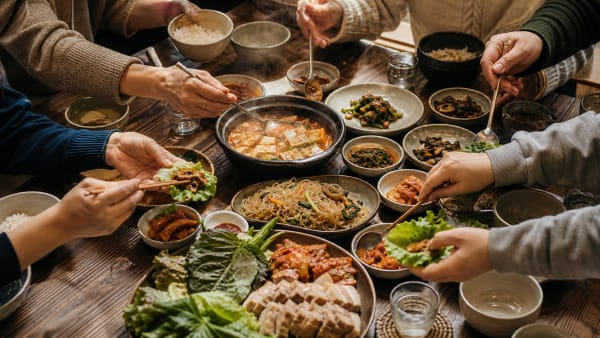
Uri (우리): Korea's Collective Identity & Shared Responsibility
In Korea, "my wife" is grammatically wrong. The correct phrase is "our wife." That tells you almost everything.
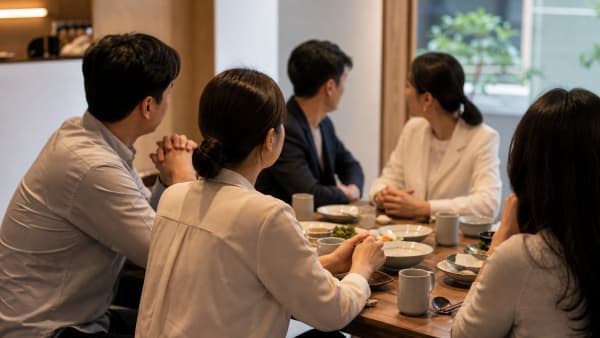
Nunchi (눈치): Reading the Room, Korean Style
There is no English word for 눈치. That gap in the language says something about how differently Koreans process a room.

Ppalli-Ppalli (빨리빨리): The Engine of the Fastest Nation
Korea built the world's fastest internet, fastest delivery, and fastest-rising economy. This was not an accident.
Jeong & Han (정·한): The Two Emotions at Korea's Core
Every culture has words for emotions. Korea has two that don't translate — and together they explain more about Korean behavior than almost anything else.

Confucianism (유교): The Invisible Framework That Still Runs Korea
Confucius died in 479 BCE. He has never left Korea.
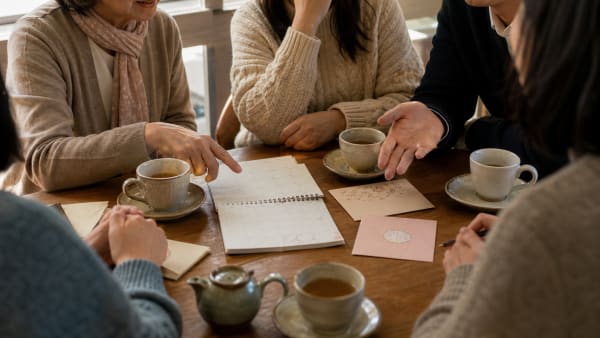
Age System (나이 문화): Why Everyone Asks How Old You Are
In Korea, "how old are you?" is not a personal question. It is a calibration.
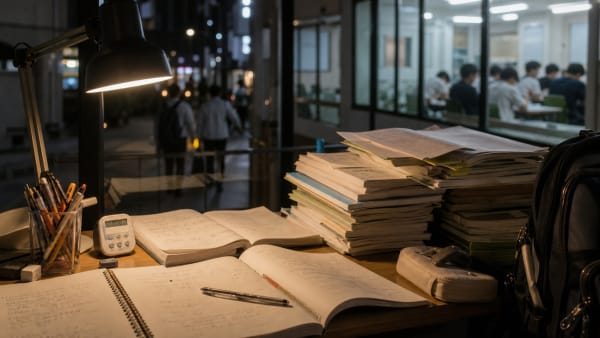
Education Fever (교육열): Behind the Pressure
In 1950, Korea's literacy rate was below 22%. Today it is 99%. That did not happen by accident — or without cost.

Gender & Social Change (젠더·사회변화): Still Figuring Itself Out
Korea has the world's lowest birth rate and one of the largest gender wage gaps in the developed world. These two facts are not unrelated.
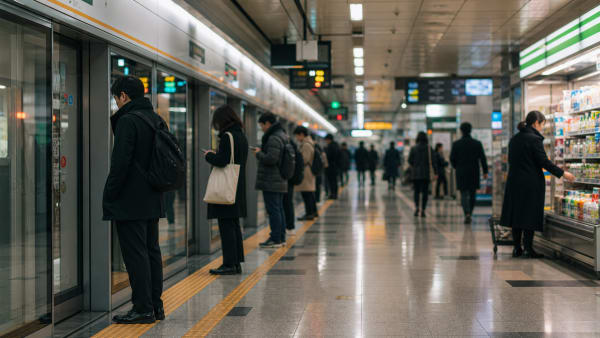
Perfectionism (완벽주의): Why Everything in Korea Just Works
The highway rest stop food is suspiciously good. This is not an accident.
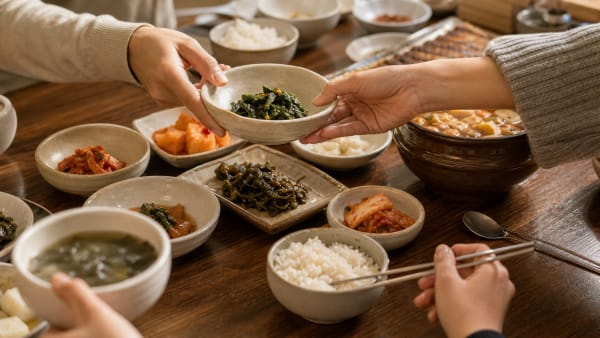
Dining Etiquette (식사 예절): Rules at the Korean Table
Korean dining has rules. Most of them are invisible until you break one.
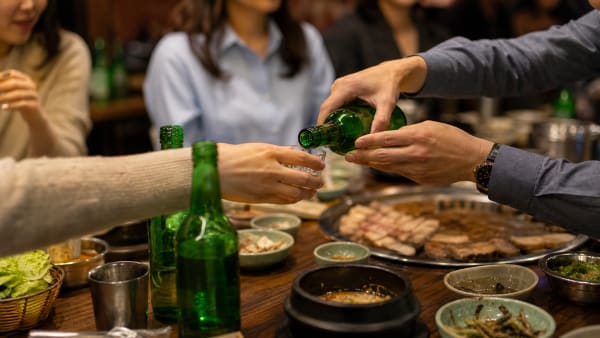
Drinking Culture (술 문화): Soju, Refusals & the Social Art of Pouring
Korea is the world's largest per-capita consumer of spirits. This is not a statistic about alcohol. It is a statistic about how Koreans build relationships.
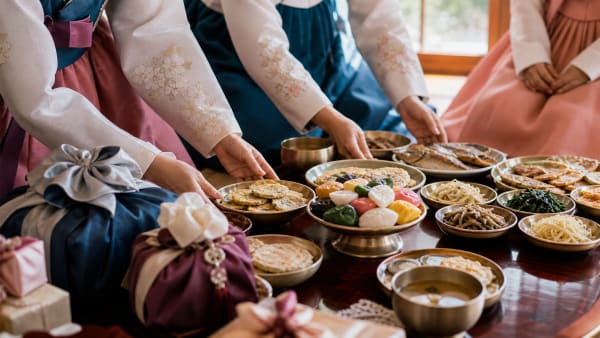
Chuseok & Seollal (추석·설날): What Korea's Biggest Holidays Actually Feel Like
Twice a year, Korea moves. Literally.

Safety & Trust (안전·신뢰): Korea Feels Different at Midnight
You can leave your laptop on a café table, walk to the bathroom, and come back to find it exactly where you left it. In most cities, this is reckless. In Seoul, it is Tuesday.
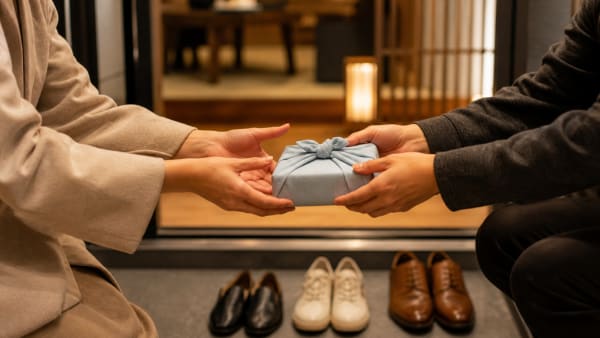
Social Etiquette (사회 예절): The Unwritten Rules
No one will tell you when you've broken one. That's what makes them unwritten.
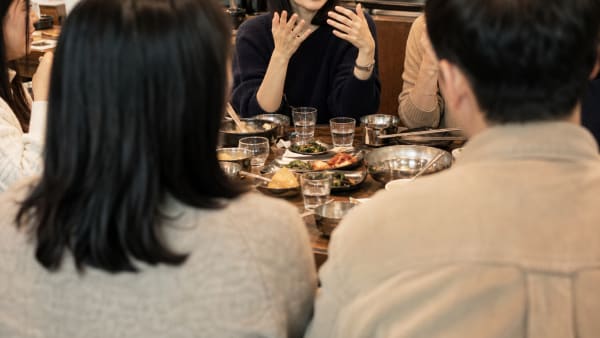
Communication (소통·체면): Direct About Your Age and Weight
A Korean colleague will tell you that you've gained weight. The same person will never tell you they disagree with your proposal.