
K-Dramas' Genre(장르)
K-Drama has something for everyone — the trick is knowing where to look.
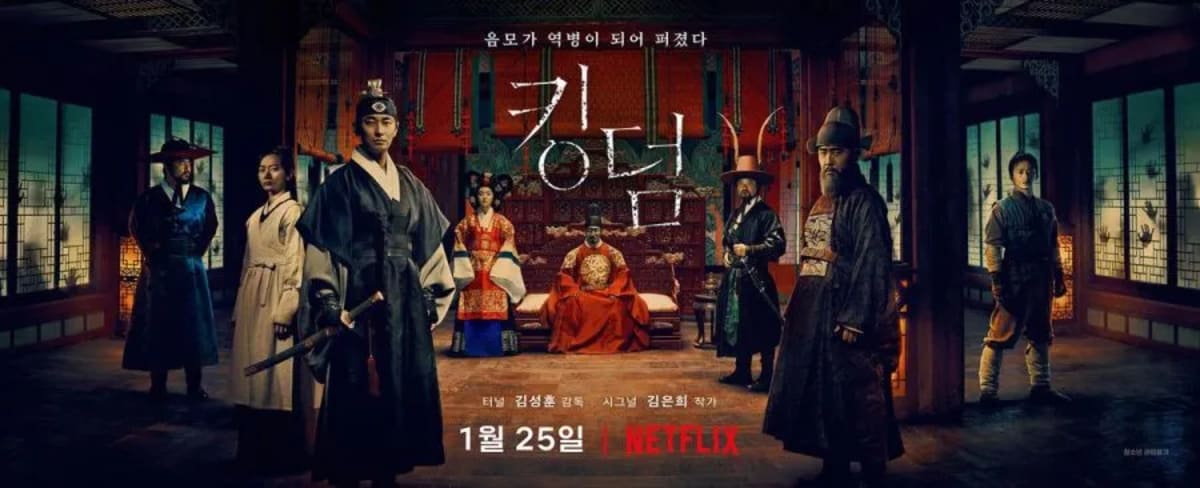
The most common mistake first-time K-Drama viewers make is starting with the wrong show. Not wrong in any objective sense — just wrong for them. Someone who loves slow-burn emotional drama sits through a fantasy romance and bounces. Someone who'd love a tight political thriller starts with a slice-of-life family show and loses interest by episode three. K-Drama's range is genuinely wide, and knowing where your taste sits saves you hours of false starts.
This guide maps the terrain.
What Makes K-Drama Different from Western Television
Before the genres, a few structural features that apply across all K-Drama:
Limited episode counts. Most K-Dramas run 16–20 episodes, each roughly an hour long. Some run shorter (6–12 episodes); a few run longer. There are no seasons — the story begins and ends in one run. This creates a different narrative pacing from Western television: the ending is always visible, and the show is built toward it.
One story, one ending. K-Drama doesn't renew for a second season and continue. When it's over, it's over. This means writers can build to a conclusion with commitment — and it means if the ending disappoints, there's no second season to redeem it.
Simultaneous broadcast and production. Many K-Dramas are written and filmed while airing. Episodes 1–4 may be completed before broadcast; episodes 13–16 may be written in response to audience feedback. This system produces both remarkable responsiveness (scripts that lean into what's working) and occasional chaos (shows that don't know how to end).
The emotional register. K-Drama calibrates emotional intensity carefully — restraint before release, tension before resolution. The genre is comfortable with slow build, with moments of quiet, with letting scenes breathe. The payoff is earned differently from Western television's faster rhythm.
Tip — Episode length: K-Drama episodes are typically 60–75 minutes, not 40–45 like many Western dramas. Budget two hours when you start an episode, not one — the "just one more" effect is real and the episodes are long.
The Major Genres
로맨스 — Romance
The dominant genre. Romance is the most commercially significant and internationally recognized form of K-Drama, and it spans a wide range from light romantic comedy to deeply emotional melodrama.
What to expect: A central relationship that develops across 16 episodes, typically with significant obstacles (social class, family opposition, past trauma, mistaken identity). The emotional investment is high; the payoff, when it comes, is earned.
Entry points: Crash Landing on You, My Love from the Star, Something in the Rain, What's Wrong with Secretary Kim
Full guide: Korean Romance Dramas: The Essential Guide →
스릴러·미스터리 — Thriller & Mystery
Korean thriller dramas have produced some of the most tightly constructed television in the medium — procedurals with genuine stakes, conspiracies with real bite, psychological dramas that don't let the viewer off the hook.
What to expect: Investigation, conspiracy, psychological pressure. Plots that take their mechanics seriously. Endings that may not resolve tidily.
Entry points: Signal, Stranger (비밀의 숲), Kingdom, Tunnel
Full guide: Korean Thriller & Mystery Dramas: Where to Start →
사극 — Historical Drama
Korean historical drama (사극, sageuk) spans from court intrigue in the Joseon period to stories set in the Japanese colonial era and the Korean War. The historical settings give Korean drama access to visual grandeur, political complexity, and emotional stakes that contemporary settings sometimes don't allow.
What to expect: Costumes, court politics, historical figures, and — in the better examples — genuine engagement with the period's social dynamics. Many sageuk are also romance; the setting doesn't determine the genre entirely.
Entry points: Mr. Sunshine, Moon Lovers: Scarlet Heart Ryeo, Kingdom (also thriller), The Red Sleeve
Full guide: Korean Historical Dramas (Sageuk): A Beginner's Guide →
판타지·초자연 — Fantasy & Supernatural
Korean fantasy drama draws on both Western genre conventions and Korean mythology — gods, goblins, reapers, ghosts with unfinished business — to tell stories that use the supernatural as emotional metaphor. The best Korean fantasy dramas use their impossible premises to explore loneliness, grief, fate, and connection.
What to expect: Supernatural elements embedded in contemporary Korean settings. Emotional weight. Often romance. Occasionally mind-bending mythology.
Entry points: Goblin (도깨비), Hotel Del Luna, My Love from the Star, The Uncanny Counter
Full guide: Korean Fantasy & Supernatural Dramas: A Genre Guide →
일상·가족 — Slice of Life & Family
The quietest genre and, for many viewers, the most profound. Slice-of-life and family dramas focus on ordinary people in ordinary circumstances — workplace friendships, family dynamics, neighborhood relationships, the specific loneliness of modern Korean life. They move slowly and reward patience.
What to expect: Minimal plot mechanics, maximum character depth. Emotional resonance that builds gradually. Endings that feel true rather than satisfying.
Entry points: My Mister (나의 아저씨), Reply 1988, Be Melodramatic (멜로가 체질), Hometown Cha-Cha-Cha
Full guide: Korean Slice-of-Life & Family Dramas: The Quiet Ones →
By What You're Looking For
If you want | Start with | Genre |
|---|---|---|
Big emotions, romantic payoff | Crash Landing on You | Romance |
Tight plot, no filler | Stranger | Thriller |
Historical grandeur + romance | Mr. Sunshine | Historical |
Supernatural + emotional depth | Goblin | Fantasy |
Slow, real, devastating | My Mister | Slice of Life |
Horror + plot | Kingdom | Thriller/Historical |
Something to watch with family | Reply 1988 | Slice of Life |
K-Drama that broke globally | Squid Game | Thriller |
Easy, feel-good | What's Wrong with Secretary Kim | Romance |
A Few Things Worth Knowing
Ratings vary by platform. Korean dramas are rated by Korean broadcast standards, which differ from US ratings. Content that would be PG-13 in the US may have a 15+ rating in Korea; content rated 19+ in Korea contains mature themes or explicit violence. Streaming platforms apply their own ratings. Check before watching with children.
Not all K-Dramas have happy endings. Romance as a genre tends toward resolution. Thriller and slice-of-life dramas are more variable. If a happy ending is important to you, check viewer reviews for the specific show before committing sixteen episodes.
The first two episodes are usually not representative. K-Drama pilots often run longer, establish more context, and move more slowly than the series proper. Give a show three to four episodes before deciding it's not for you.
Comments
Inappropriate comments may be deleted.
Log in to leave a comment.
No comments yet. Be the first!